

Jaguar Habitat Protection in Yucatán.
Pronatura Península de Yucatán is dedicated to conserving flora, fauna, and priority ecosystems while promoting the development of society in harmony with nature.
INTRODUCTION
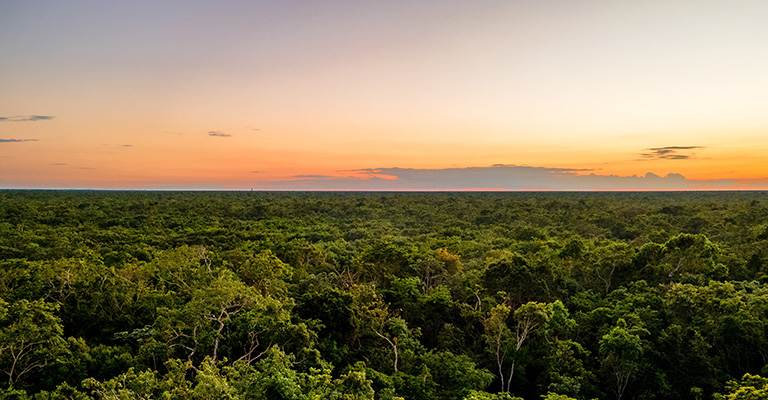
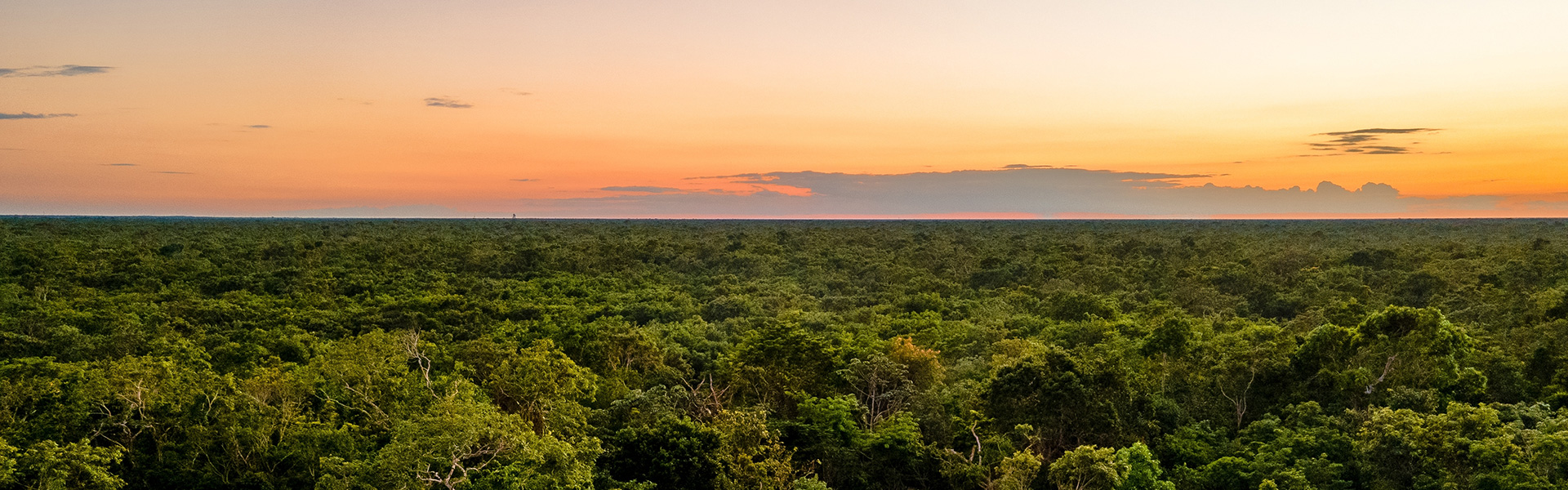
The northeastern region of the Yucatán Peninsula has been identified as a priority site for biodiversity conservation in general—and jaguar conservation in particular. This region contains an extensive forested area stretching from the state of Quintana Roo to the municipality of Tizimín in Yucatán. It preserves the last remaining areas of medium-height forest and vast expanses of lowland forests, along with other well-conserved wetland environments. These serve as habitat for a significant population of jaguars and their prey, such as deer and peccaries. In this ecosystem, jaguars play a key role in maintaining the balance of animal and plant populations.
Unfortunately, agricultural and livestock activities have been replacing the jaguar’s natural ecosystems, and conflict with humans—especially through illegal hunting—threatens jaguar populations.
OBJECTIVE
Pronatura Península de Yucatán is working to protect and restore these ecosystems that serve as habitat for jaguars and their prey, while also strengthening the capacities of small-scale cattle ranchers to improve efficiency on their ranches, reduce impacts on forested areas, and protect wildlife populations.
MAIN ACTIVITIES
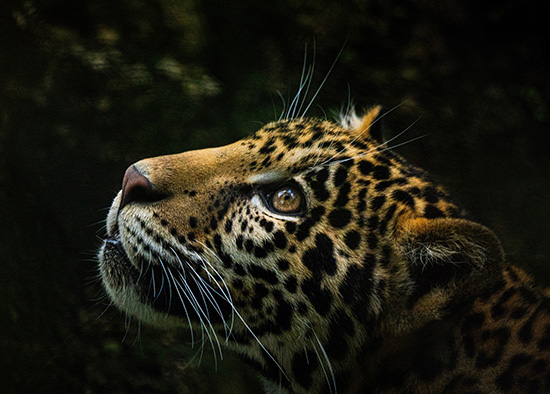
- Monitoring jaguar populations and their prey using camera traps.
- Preventing, controlling, and combating forest fires through community brigades.
- Implementing actions on ranches to improve livestock management and reduce predation by big cats.
RESULTS AND ACHIEVEMENTS
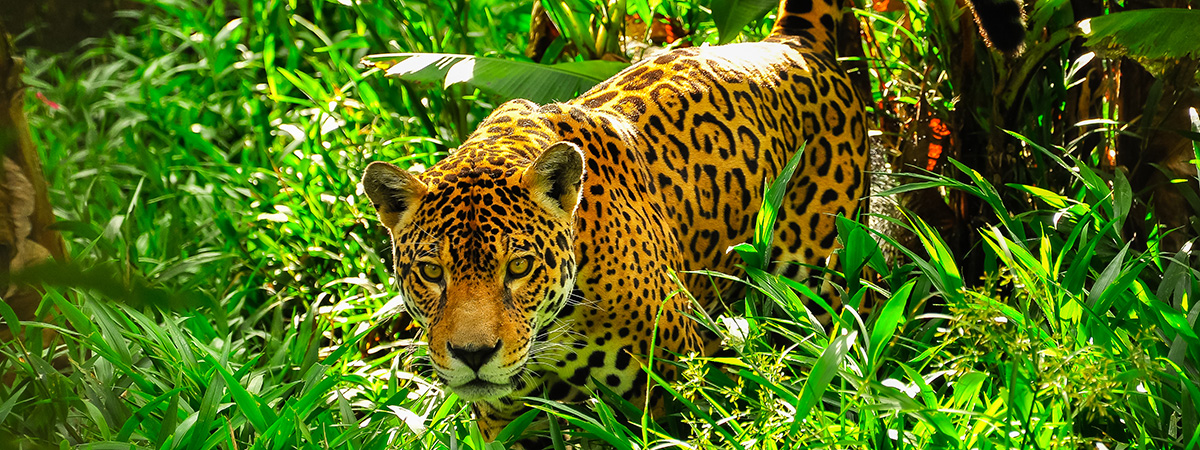
- Over the past 20 years, 71 individual jaguars have been identified in the region. For the past 5 years, at least one jaguar cub has been recorded each year, and the number of females documented continues to increase—highlighting the area as a reproductive refuge for the species. In 2024 alone, 11 different jaguar individuals and 47 wildlife species were recorded, with the most abundant being the ocellated turkey, gray fox, and red brocket deer.
- Through communication and negotiation strategies, the “Big Cat-Friendly Ranches” model has been promoted. This model involves implementing ranching strategies that allow coexistence between jaguars and productive activities. Key strategies include setting up barriers to prevent attacks on livestock, improving cattle feed with drought-resistant forage species (thus reducing the need for large grazing areas that harm forest habitats), and supporting habitat connectivity and ecological balance to ensure jaguars have enough wild prey. So far, this work has been implemented on 348 hectares across three ejidos.
- Unusual climate conditions in the region have posed challenges for the project. At the beginning of 2024, a severe drought occurred, resulting in 1.8 times more wildfires than the previous year. However, through fuel management and the rehabilitation of firebreaks, catastrophic forest fires were avoided. Later, the rainy season was unusually long, keeping the area flooded until January 2025, which hindered ground access.