
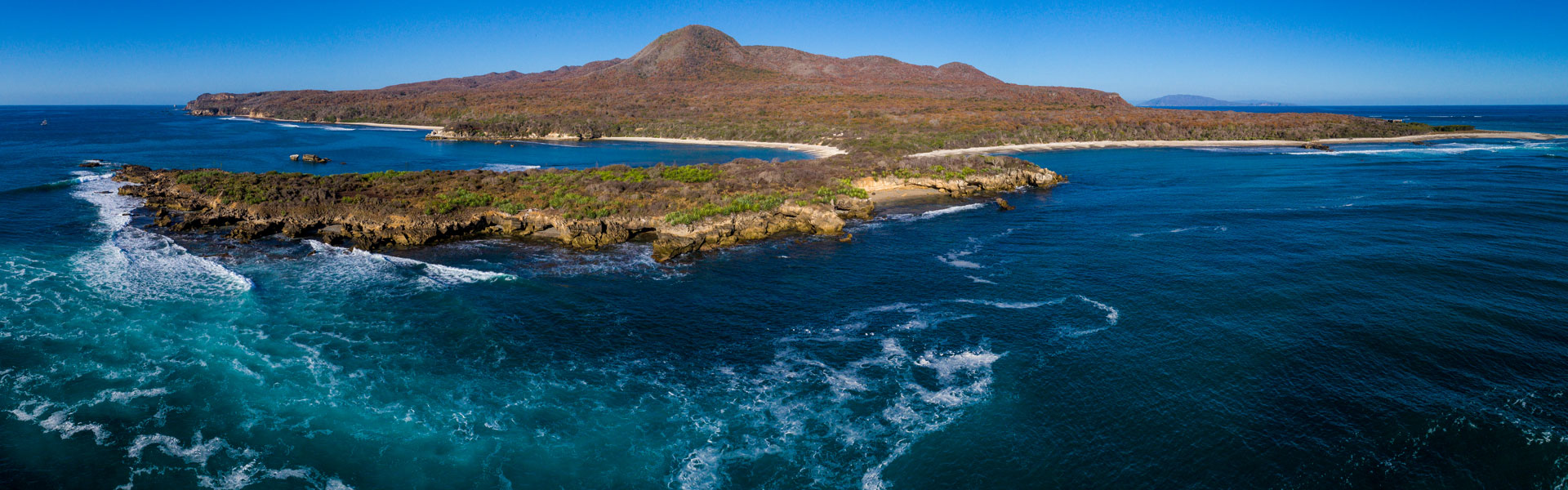
Restoration of the Islas Marías.
The Grupo de Ecología y Conservación de Islas (Group for Island Ecology and Conservation) works to protect the conservation, sovereignty, knowledge, and sustainable development of Mexico’s island territories.
INTRODUCTION
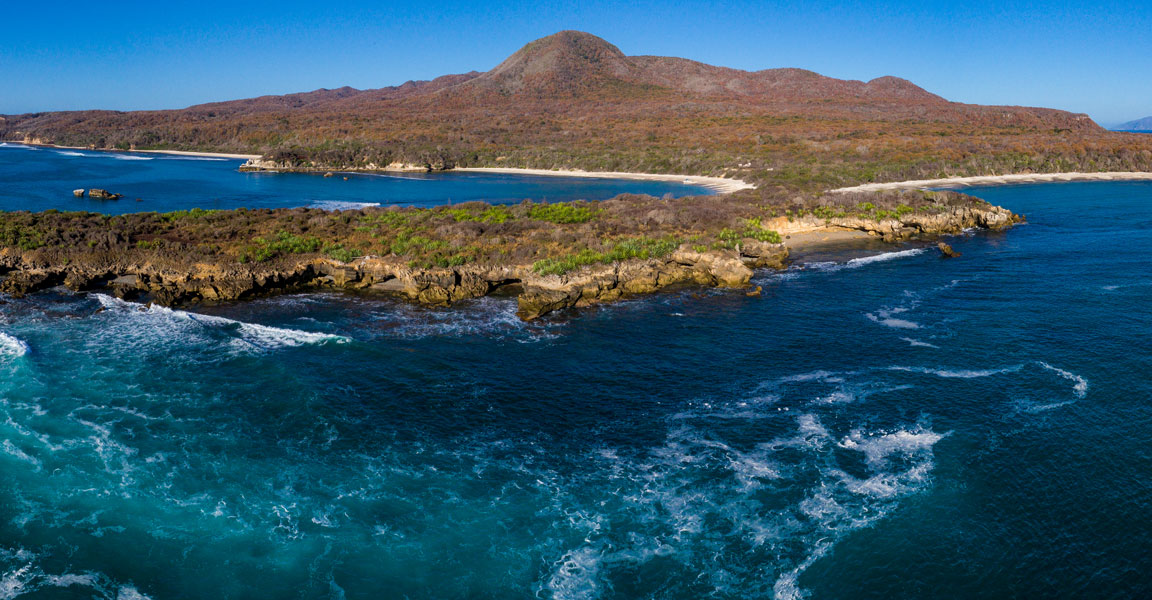
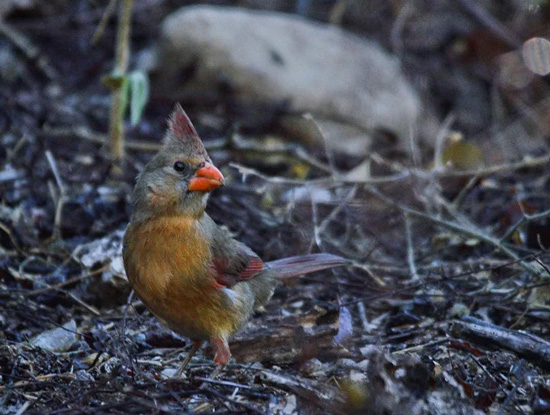
The Islas Marías Biosphere Reserve is recognized as a World Heritage Site due to its high richness of species characteristic of Mexico’s dry tropical zone, many of which are endemic to the region. It is also an important nesting, feeding, and resting site for various species of seabirds.
This archipelago includes the islands of María Madre, María Magdalena, María Cleofas, and San Juanito. Until 2019, María Madre Island housed a maximum-security prison, which has since been repurposed as an ecotourism center. Human activity and the presence of invasive species such as cats, goats, and deer have negatively impacted the natural ecosystems on three of the islands; only San Juanito has maintained the integrity of its native ecosystems.
OBJECTIVE
In the Islas Marías, the Grupo de Ecología y Conservación de Islas carries out actions aimed at restoring endemic species through the eradication of invasive mammals, while also strengthening the capabilities of island authorities and users to prevent the introduction of invasive species.
MAIN ACTIVITIES
- Eradication of goats and cats on María Cleofas Island and evaluation of the response of native wildlife to the removal of invasive species.
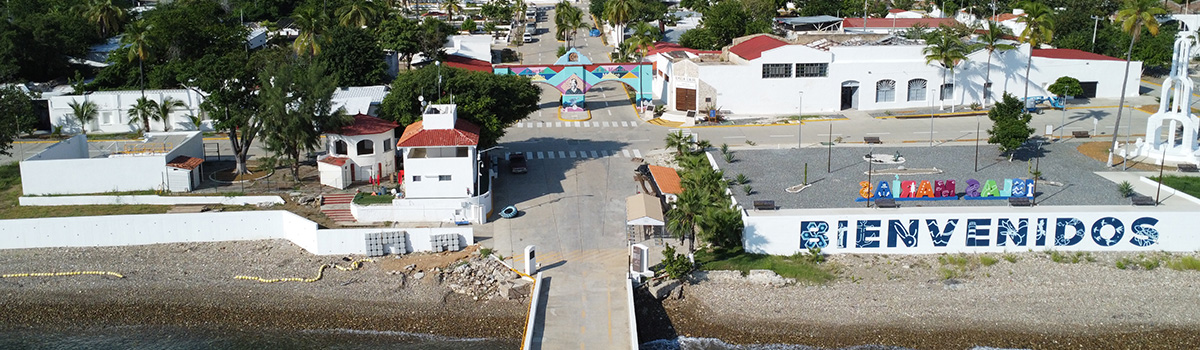
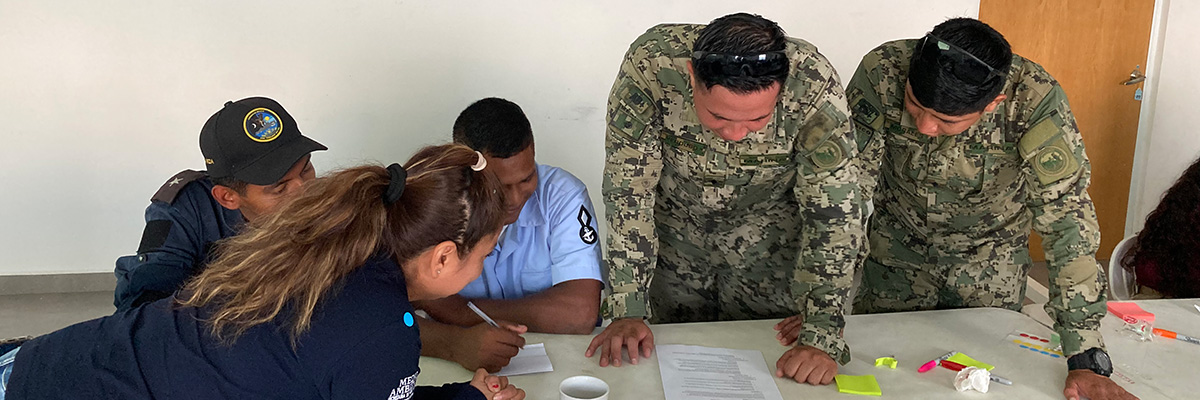
- Training and strengthening of biosecurity measures to prevent the introduction of seeds and emerging diseases that could affect wildlife on María Madre Island.
- Planning the eradication strategy for invasive species on María Magdalena Island.
RESULTS AND ACHIEVEMENTS
- After eight years of work, María Cleofas Island is nearing complete eradication of goats and cats, and it is expected that the island will be officially declared free of these invasive species by 2025. This has led to a notable recovery of local vegetation. Additionally, two of the three reptile species on the island have shown significant population growth compared to 2017, and eight bird species have also begun to show population increases.
- On María Madre Island, the main access point to the biosphere reserve, a biosecurity checkpoint has been installed for all visitors. Its purpose is to prevent the introduction of exotic species, especially pathogens that could affect local flora and fauna, as well as non-native plants.
- As the next stage, an agreement has been reached with the Mexican Navy and the National Commission for Natural Protected Areas (CONANP) to implement the successful strategies on María Magdalena Island, with the goal of eradicating goats, deer, and cats within five years starting in 2025.