
Strengthening Coral Conservation in the Mexican Caribbean.
The Integrated Research Laboratory for Reef Conservation at UNAM (National Autonomous University of Mexico) develops globally recognized techniques that support the recovery of coral reefs, helping mitigate damage from storm surge and beach erosion in Quintana Roo.
INTRODUCTION
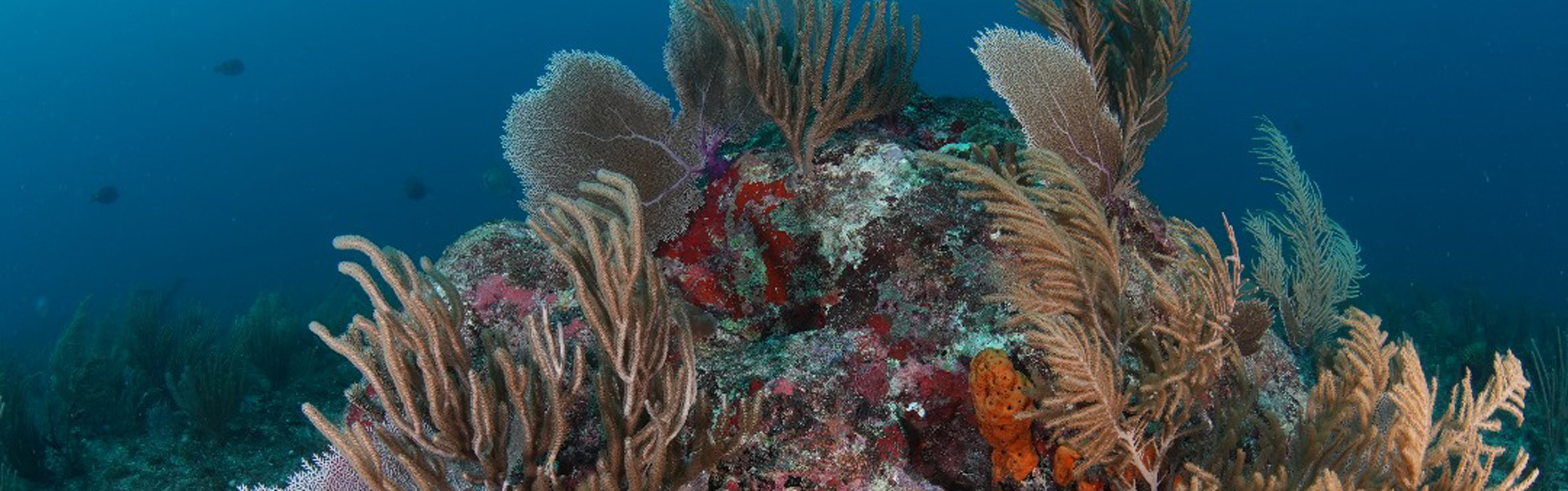
Coral reefs absorb most of the wave energy before it reaches the coastline, helping to reduce damage from storms and prevent coastal erosion. Additionally, this ecosystem provides habitat and shelter for around 25% of all marine species, including commercially important ones such as lobsters, groupers, and snappers.
However, coral reefs are among the most threatened ecosystems in the world—largely due to rising ocean temperatures. In the Mexican Caribbean, it has been observed that healthy reef areas are less vulnerable to these temperature changes, which is why efforts to restore this valuable ecosystem have increased.
OBJECTIVE
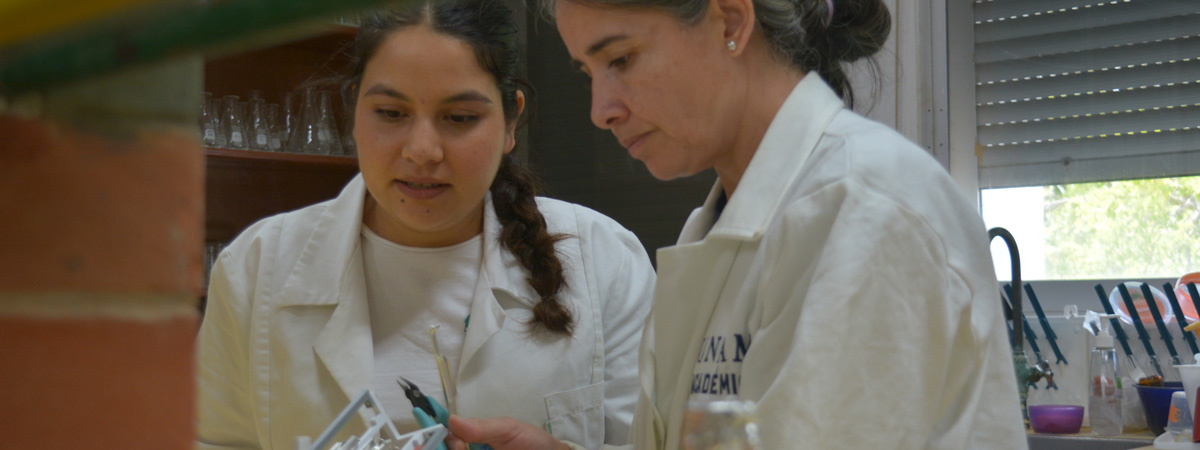
The Integrated Research Laboratory for Reef Conservation at UNAM contributes to coral reef recovery through laboratory fertilization and the later integration of corals into their natural environment. It also implements coral cryopreservation to safeguard genetic diversity and ensure the future survival of reef-building species.
MAIN ACTIVITIES
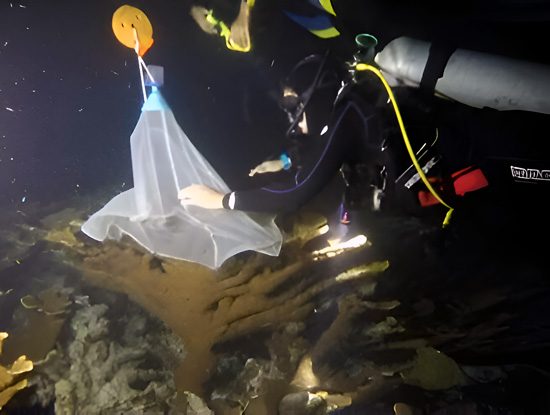
- Generating corals in the lab from gametes collected from wild colonies and later introducing them into the ocean.
- Cryopreserving coral samples in the Mexican Coral Biorepository.
RESULTS AND ACHIEVEMENTS
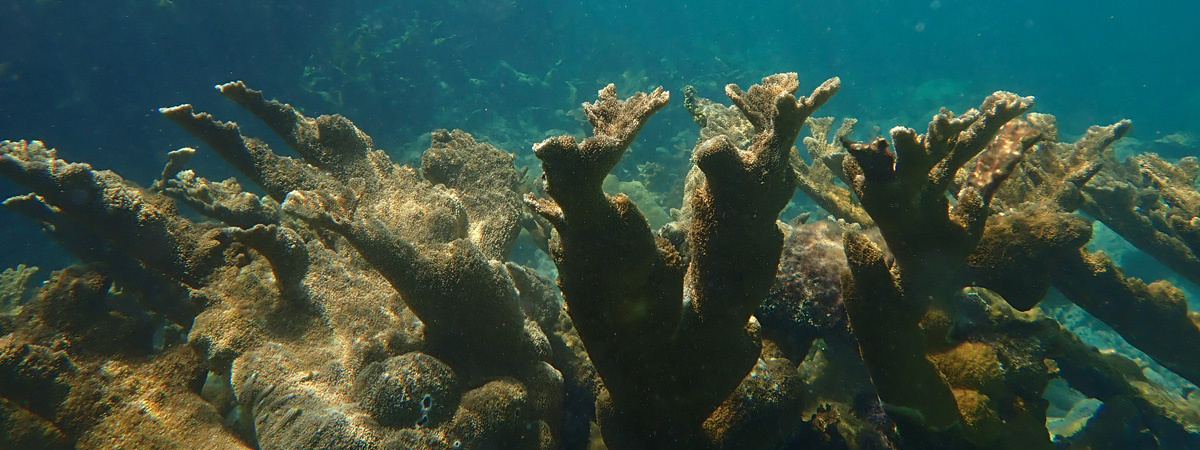
- Since 2007, the first generations of lab-grown corals—produced from gametes collected from wild colonies—have been planted on reefs. These corals are now mature, reproductive colonies that contribute to natural restoration.
- A low-cost field kit for gamete collection and coral cultivation in remote areas was developed. This design has been replicated in eight countries across the Greater Caribbean, and together with an operational manual, it has become an international reference in reef restoration.
- Since 2017, the Mexican Coral Biorepository has been cryopreserving coral specimens. This genetic bank—the only one in Mexico and one of only four such efforts worldwide—is an invaluable resource, representing an essential backup for conserving genetic diversity in these critically threatened ecosystems.
- In the past five years, the “white syndrome” disease and rising ocean temperatures have caused massive coral die-offs in the Mexican Caribbean. However, in 2024, it was documented that lab-grown corals planted in previous years have survived. This is encouraging news, since natural fertilization in the wild has been extremely low due to the significant reduction in the number of healthy, living colonies.